Commercial Pest Control · Jul 31, 2026
What San Diego Restaurant Owners Need to Know About Pest Control Compliance
San Diego restaurants face strict sanitation standards. Learn how proactive commercial pest control protects your reputation, health inspections, and bottom line.
By Philippe Heller, President · Bite Away Termite & Pest Control · Serving San Diego since 2005
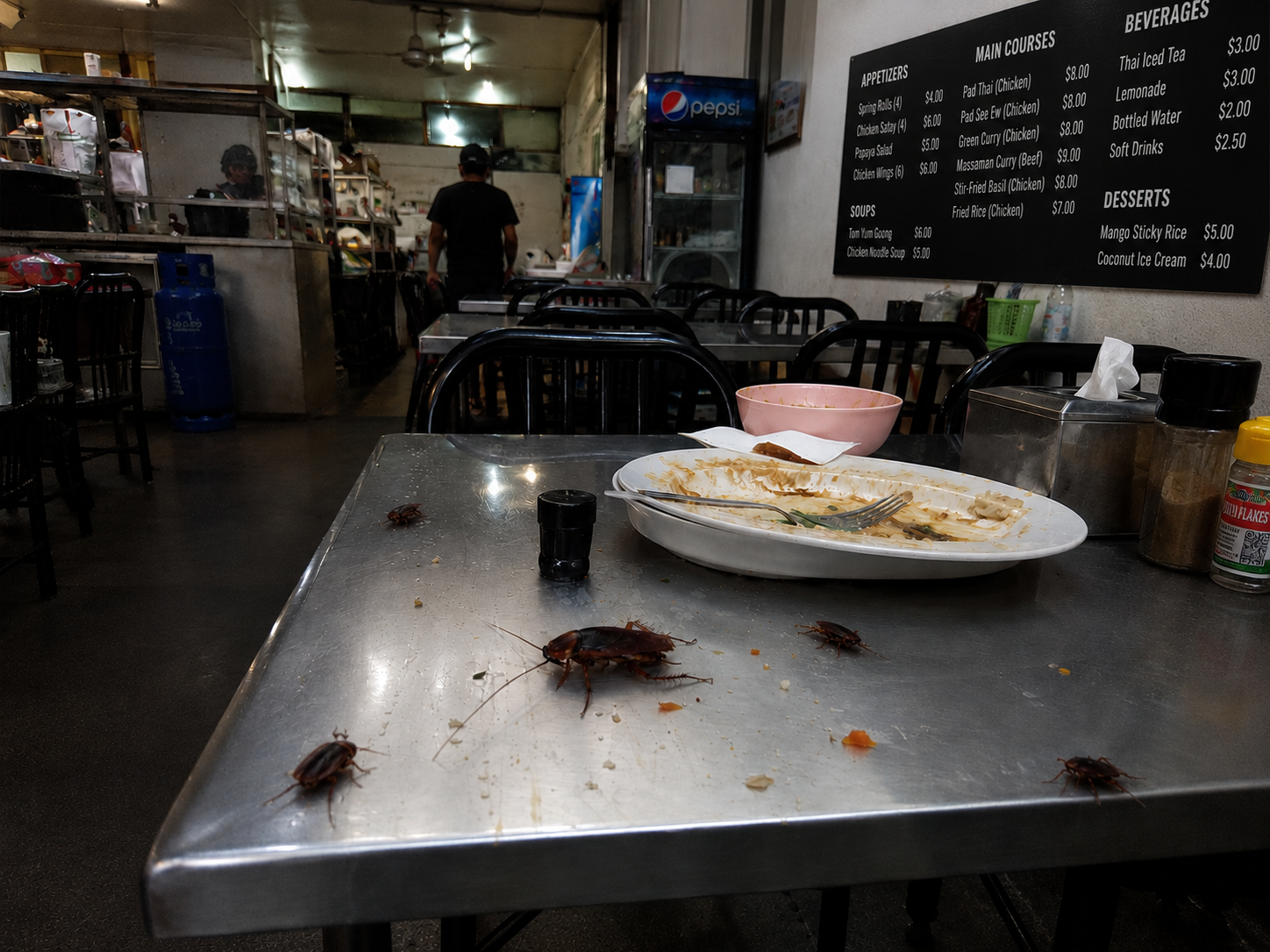
Even the cleanest kitchens get cockroaches
You can do everything right and still find a cockroach in your restaurant. Spotless prep surfaces, sealed dry storage, a crew that cleans every night, perfect inspection scores - none of it makes your kitchen truly roach-proof. That is not a criticism of how you run your business. It is simply how cockroaches get around.
Cockroaches love boxes. The corrugated cardboard riding on delivery trucks is warm, dark, and full of tight crevices - exactly where roaches shelter and where females tuck their egg cases. Many of the boxes stacked in your back room spent days in warehouses and trucks where cockroaches live before they ever reached your door.
That is why a delivery protocol is an essential part of a pest control program, not an admission that something went wrong. Protecting your reputation, your health inspection results, and your customers starts with accepting that pests can arrive on your doorstep - and putting a system in place to stop them there.
Why restaurants are attractive to pests
Restaurants naturally provide the three things pests need most: food, water, and shelter.
Crumbs, grease buildup, food storage areas, trash enclosures, floor drains, and moisture sources can all attract unwanted pests if not properly managed.
Some of the most common pests found in San Diego restaurants include cockroaches, rodents, flies, ants, and stored product pests.
Because commercial kitchens operate daily and often have multiple delivery points, pests can gain access even when facilities are well maintained.
The risks of ignoring pest activity
A single pest sighting can create significant problems for a restaurant.
Customers who observe rodents, cockroaches, or flies may leave negative online reviews or choose not to return. In today's digital environment, reputation damage can spread quickly.
Pest activity can also create concerns during routine health inspections. Evidence such as droppings, nesting materials, insect activity, or contaminated food storage areas may result in violations that require immediate corrective action.
Proactive pest management helps reduce these risks and demonstrates a commitment to maintaining a clean and professional operation.
Common areas where pest problems begin
Many infestations start in areas that are rarely seen by customers.
Dumpster enclosures, utility penetrations, storage rooms, loading areas, floor drains, and exterior doorways are common entry points and harborage locations.
Rodents can squeeze through surprisingly small openings, while cockroaches often hide in dark, warm areas near food preparation equipment.
Routine inspections allow potential issues to be identified before they become larger infestations.
A delivery protocol you can start this week
You do not need a remodel or a bigger budget to act on this. Five habits, applied consistently at your back door, close the loophole that cardboard rides through.
1. Establish an unboxing zone. Never let transit cardboard past your receiving area. Set up a staging space near the loading dock or back door strictly for deliveries, remove ingredients from supplier boxes on the spot, and transfer them into your own sanitized, hard-sided bins before anything moves inward. Supplier boxes should never cross the threshold into food preparation spaces.
2. Train staff on the five-point box inspection. Before accepting a delivery, check the vehicle for odors and debris, scan the cardboard for small dark specks (droppings) or shed skins, inspect the taped seams and glued flaps where German cockroaches hide, look for small brown purse-shaped egg cases, and reject any box with holes, chew marks, or water damage. A missed check can seed an infestation that takes months to eradicate.
3. Ban corrugated cardboard storage. Flatten every delivery box immediately and move it to your external recycling bin. Cardboard offers shelter and even a minor food source from its organic glues. Store all dry goods at least six inches off the floor in airtight, heavy-duty plastic or glass containers.
4. Manage waste like part of the defense. Keep dumpsters and recycling bins away from exterior walls so pests cannot migrate back inside, and keep every outdoor lid tightly closed.
5. Hold your suppliers accountable. If staff spot live insects or clear signs of pests, refuse the delivery on the spot and document the findings. Tell vendors in writing that shipments showing pest activity will be rejected, and share any patterns with your commercial pest management provider.
We walk through the full receiving procedure, step by step, in our guide to stopping cockroaches from hitchhiking into your restaurant.
The importance of ongoing commercial pest control
Unlike residential services that may focus on occasional treatments, restaurant environments often benefit from ongoing pest management programs.
Regular inspections help identify conditions that may attract pests while allowing technicians to monitor for early signs of activity.
An effective commercial pest control program typically includes monitoring and reporting, exclusion recommendations, and targeted treatment when necessary.
This proactive approach helps reduce the likelihood of unexpected pest issues and supports overall compliance efforts.
Why documentation matters
One often-overlooked benefit of professional commercial pest control is documentation.
Service reports provide records of inspections, findings, recommendations, and treatments performed. These records can be valuable when demonstrating ongoing pest management efforts during audits or inspections.
Having a documented pest management program shows that your business is taking reasonable steps to maintain a safe and sanitary environment.
Partner with a local commercial pest control provider
Every restaurant faces unique challenges based on its location, building design, operating hours, and food handling practices.
At Bite Away Termite & Pest Control, we work with restaurants and commercial facilities throughout San Diego County to provide customized pest management solutions designed to support long-term success.
Whether you're opening a new restaurant, managing multiple locations, or looking to improve your current pest control program, our team can help identify risks and develop a strategy that fits your operation.
Protect your business before problems start
The best time to address pest issues is before they impact your customers, employees, or inspections.
If you're looking for reliable commercial pest control services in San Diego, contact Bite Away Termite & Pest Control today to schedule a consultation and learn how a proactive pest management program can help protect your business.
Need help from a local pro?
Bite Away has served San Diego and Temecula since 2005. Free residential termite inspections and a pest-free guarantee.