
Tick Control
Keep your family and pets safe from ticks in San Diego
Ticks are more than a nuisance, they're the leading carriers of Lyme disease, Rocky Mountain spotted fever, and other tick-borne illnesses. San Diego's mild climate and brushy hillsides keep ticks active nearly year-round, so a one-time spray isn't enough. Bite Away Termite and Pest Control builds a long-term tick control plan around your property and your family.
Why ticks thrive in San Diego
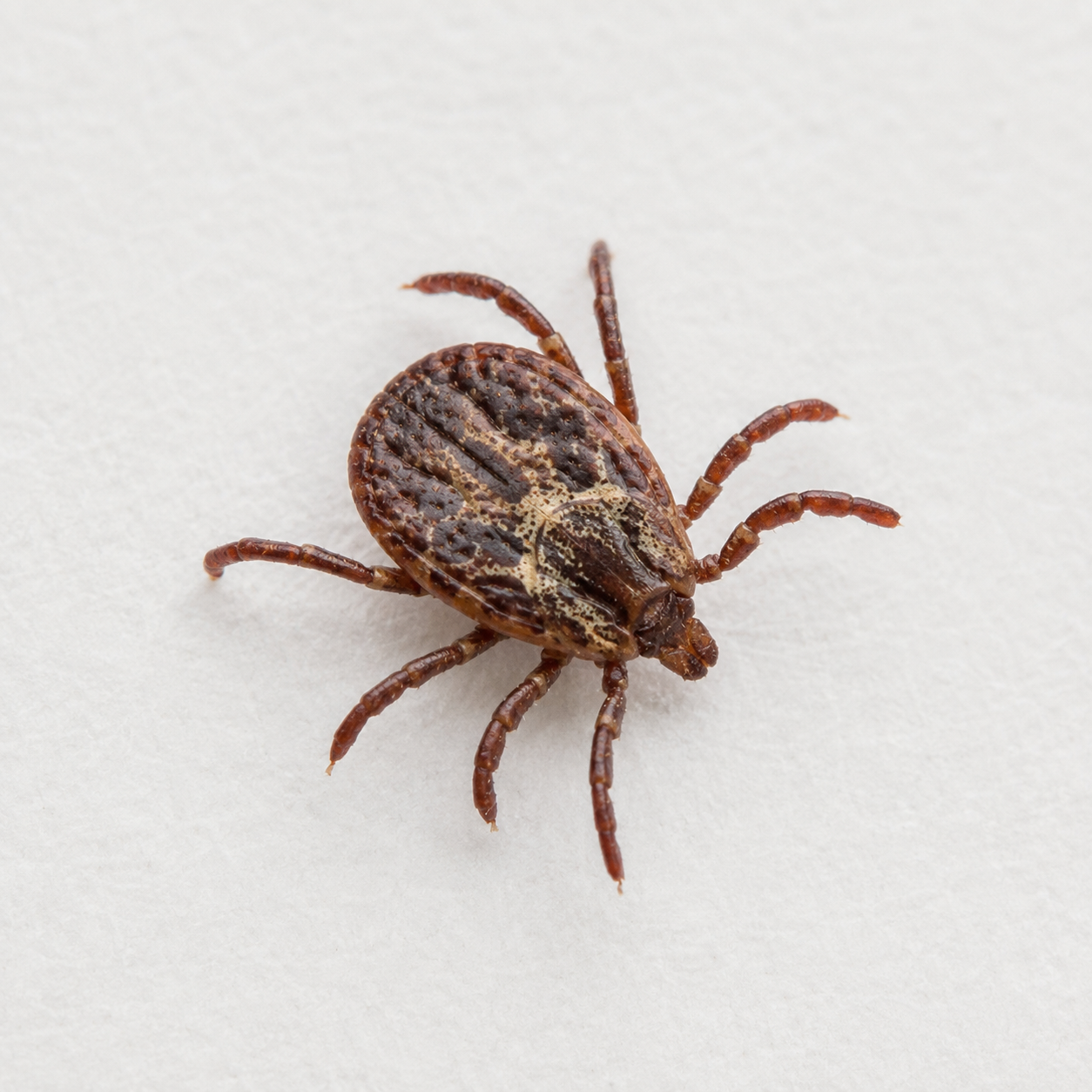
San Diego County's coastal canyons, chaparral, and oak woodlands are ideal tick habitat. The western black-legged tick (Ixodes pacificus), the primary Lyme disease carrier on the West Coast, is widespread from Mission Trails and Black Mountain to Poway, Ramona, Alpine, and the backcountry. Pacific Coast ticks and brown dog ticks are common too, especially around homes with dogs that hike or visit off-leash parks.
Because winters here are mild and rains green up the hills from January through April, tick populations peak in late winter and spring, exactly when families spend more time outside. Adult ticks then quest into summer and fall, so risk is essentially year-round.
How ticks get onto your property
Ticks don't fly or jump. They climb onto vegetation and wait for a host to brush past. They arrive on rodents, rabbits, opossums, deer, coyotes, and outdoor cats, all of which routinely move through San Diego yards. Once a tick drops off, it can survive in moist leaf litter, mulch beds, ivy, ornamental grasses, and woodpiles for months while waiting for its next meal.
That's why focusing only on your dog or on the lawn misses the problem. Effective tick control means treating the transition zones where landscaped yard meets brush, fence line, or canyon.
Our tick treatment plan
Every visit starts with a walk of your property to identify high-risk zones: shaded perimeters, dog runs, play structures, woodpiles, and trail entry points. We then apply targeted residual treatments to the vegetation, mulch beds, and ground litter where ticks quest, plus the structural voids where brown dog ticks hide.
Because ticks have a multi-stage life cycle and eggs are protected from contact products, ongoing service is the only reliable way to keep populations down. Most San Diego properties do best on a monthly or every-other-month plan from spring through fall, with maintenance visits in winter.
What you can do between visits
Keep grass mowed short and trim back overgrown shrubs along fence lines. Move woodpiles off the ground and away from the house. Use bark mulch or gravel as a 3-foot buffer between lawn and any brushy edge — ticks rarely cross dry, sunny ground. Talk to your vet about year-round tick prevention for every dog and outdoor cat, and do a tick check on yourself, kids, and pets after any hike in San Diego open space.
San Diego tick control FAQs
Are ticks really a problem in San Diego?
Yes. San Diego County has confirmed populations of the western black-legged tick, which can transmit Lyme disease, as well as Pacific Coast ticks and brown dog ticks. The County Vector Control program collects ticks every year from local parks and trails. Activity is highest in late winter and spring after the rains, but the mild climate keeps some ticks active year-round.
Where are ticks most likely to be on my property?
Ticks avoid open, sunny lawns and concentrate in shaded, humid areas: the edge where your yard meets a canyon or hillside, ivy and ground-cover beds, leaf litter under trees, woodpiles, dog runs, and the underside of decks. If you back up to open space anywhere from Carmel Valley to Jamul, those perimeter zones are your highest-risk areas.
Will tick treatment hurt my pets, kids, or pollinators?
We use targeted residual products applied to the specific zones where ticks live, not broadcast across the entire yard. Treatments are dry and safe to re-enter within a short window after application — usually about an hour. We avoid blooming flowers to protect bees and other pollinators, and we walk every job with the homeowner so you know exactly what was treated and where.
What should I do if I find a tick attached to me or my pet?
Use fine-tipped tweezers to grasp the tick as close to the skin as possible and pull straight up with steady pressure — don't twist, burn, or squeeze the body. Clean the bite area with soap and water and save the tick in a sealed bag or container. If you develop a rash, fever, or flu-like symptoms in the following weeks, see your doctor and bring the tick. For pets, contact your vet, especially if the tick was attached more than 24 hours.
How we tackle it
Yard & perimeter treatment
We target the shaded, leaf-littered edges where ticks actually live — fence lines, brush, woodpiles, and under decks.
Pest-free guarantee
See tick activity between visits? We come back and re-treat at no extra charge.
San Diego specialists
Local technicians who know which canyons, trails, and neighborhoods see the heaviest tick pressure.
Book your tick service today
Protect your family and pets from San Diego ticks. Book online or call 888-321-BITE for a free quote.