
Commercial Pest Control · Oct 26, 2026
Unboxing trouble: how to stop cockroaches from hitchhiking into your restaurant
Delivery boxes are the most common way cockroaches enter a spotless restaurant. Five steps to inspect shipments, contain cardboard, and keep pests out of your kitchen.
By Philippe Heller, President · Bite Away Termite & Pest Control · Serving San Diego since 2005
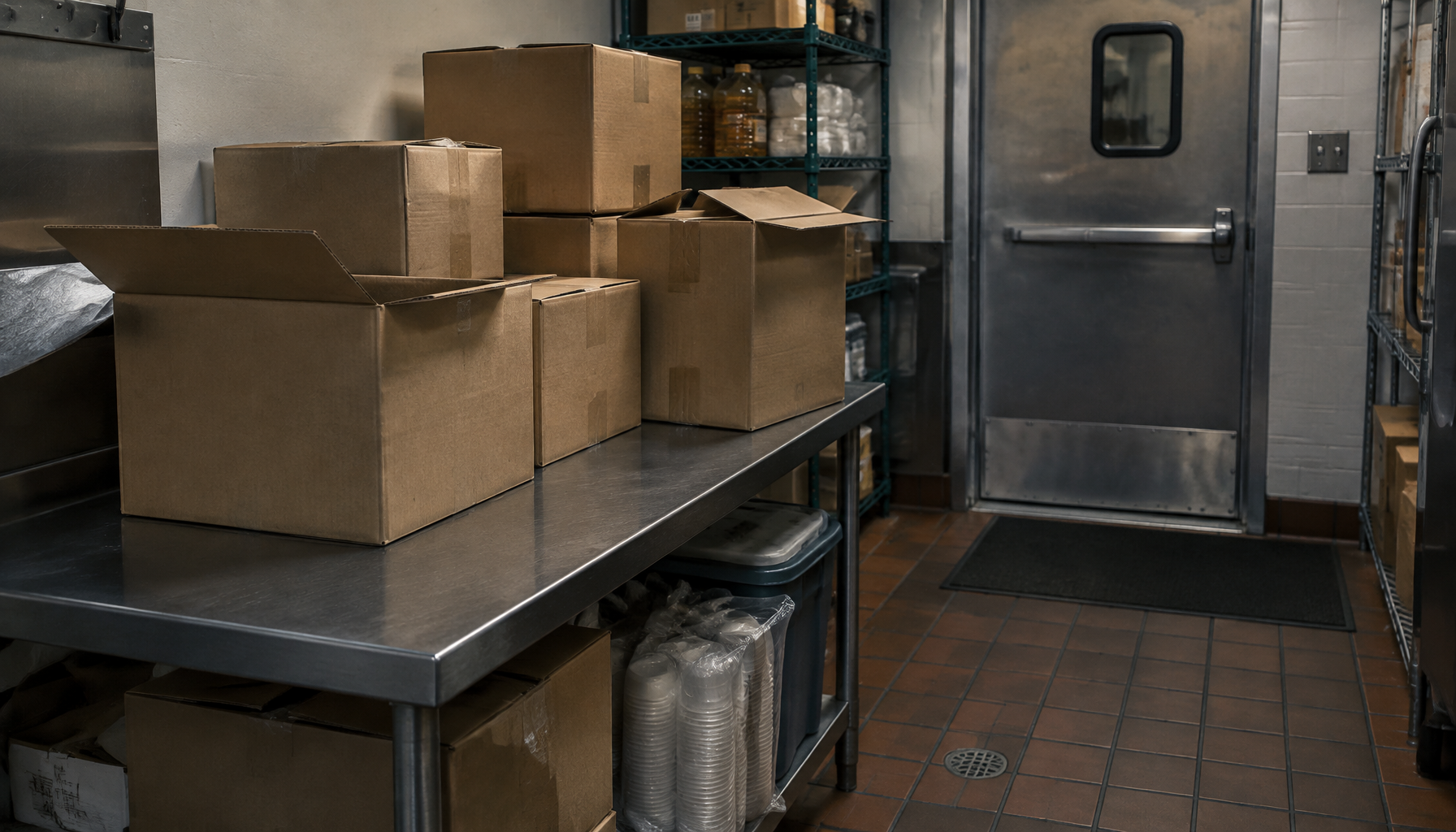
You maintain a spotless kitchen. Your team deep-cleans every night, and your health inspection scores are perfect. Yet a cockroach problem can still appear overnight. How? They are likely hitching a ride directly through your back door inside supply delivery boxes.
Cardboard delivery boxes are a cockroach's paradise. The corrugated layers offer warm, dark, tight spaces where adult roaches can hide and where females deposit egg cases (oothecae). If your staff carries these boxes straight from the delivery truck into your prep area, you are inadvertently introducing pests into your establishment.
The good news: delivery-borne pests can be stopped with a systematic defense at your door. Here are the five steps we recommend to every restaurant we serve in San Diego County.
1. Establish an "unboxing zone"
Never allow transit cardboard packaging into your primary kitchen or clean storage rooms.
- Designate a staging area: set up a specific zone near your loading dock or back door strictly for receiving goods.
- Transfer immediately: remove ingredients from supplier cardboard boxes and transfer them into your own sanitized, hard-sided plastic bins before moving them inward.
- Keep transit out: the supplier's boxes should never cross the threshold into food preparation spaces.
2. Train staff on the "five-point box inspection"
A missed check can lead to an infestation that takes months to eradicate. Train your receiving team to perform a rapid but thorough inspection on every incoming pallet:
- The vehicle: look inside the delivery truck for cleanliness or unusual odors before unloading.
- The exterior: scan cardboard surfaces for small, dark pepper-like specks (cockroach droppings) or shed skins.
- The seams: inspect the taped edges and glued flaps of boxes, which are prime hiding spots for small German cockroaches.
- The egg cases: look for small, brown, purse-shaped capsules glued to the cardboard.
- The integrity: check for pre-existing holes, chew marks, or water damage that makes the box structurally compromised and vulnerable.
3. Ban corrugated cardboard storage
Once goods are accepted, eliminate the materials that pests love.
- Break it down: flatten all delivery boxes immediately after unboxing.
- Ditch the clutter: cardboard provides shelter and even serves as a minor food source due to the organic glues it contains.
- Seal your storage: store all dry goods at least six inches off the floor in airtight, heavy-duty plastic or glass containers.
4. Optimize waste management
Storing flattened cardboard boxes indoors creates an immediate pest hazard.
- Take it outside: move flattened cardboard directly to your external recycling bins at the end of every delivery cycle.
- Maintain distance: position your dumpster and recycling bins away from the building's exterior walls to prevent pests from migrating back inside.
- Keep lids locked: ensure all external bin lids remain tightly closed.
5. Build a supplier accountability protocol
Your pest defense is only as strong as your supplier's defense.
- Refuse contaminated shipments: if your staff spots live insects or definitive signs of pests during inspection, refuse the delivery immediately and document the findings.
- Communicate standards: inform your vendors in writing that shipments showing signs of pest activity will be rejected on the spot.
- Partner with pros: maintain regular logs and share any patterns of supply chain vulnerabilities with your commercial pest management provider.
Shift from kitchen sanitation to supply chain defense
By shifting your mindset from kitchen sanitation to supply chain defense, you close the most common structural loophole pests use to bypass your hard work. Inspect at the door, unbox in isolation, and discard the cardboard immediately.
Even with a disciplined receiving process, German cockroaches are persistent travelers, and a single missed egg case can start a breeding population behind your walls within weeks. That is where a commercial pest control partner comes in: we monitor the areas you cannot watch, document activity for your health inspector, and eliminate infestations before they reach the dining room.
Keep your doors open
One vermin closure can cost a San Diego restaurant $20,000 or more, plus lost wages and a reputation hit no refund can fix. A proactive program costs a fraction of that.
Call Bite Away today at 888-321-BITE (2483) for a free restaurant consultation. We will inspect your receiving process, set up a monitoring program built for food service, and provide the documentation you need to show health inspectors.
You can also request a restaurant pest control quote online. We work around your hours, and we keep San Diego restaurants pest-free and open for business.
Need help from a local pro?
Bite Away has served San Diego and Temecula since 2005. Free residential termite inspections and a pest-free guarantee.