
Termite Control · Jun 9, 2026
Why Termites Get Worse in San Diego During Summer
Warm San Diego summers drive termite swarming and colony growth — here's why, what to watch for, and how to protect your home.
By Philippe Heller, President · Bite Away Termite & Pest Control · Serving San Diego since 2005
Why Termites Get Worse in San Diego During Summer
Summer in San Diego is characterized by coastal breezes and rising inland temperatures. While residents head to the beaches or the mountains to enjoy the climate, termites are entering their most active phase of the year. The transition from a mild spring into the heat of July and August creates the perfect environmental cocktail for both drywood and subterranean termites to expand their reach.
Understanding why these pests thrive during the San Diego summer is essential for protecting your property. High temperatures accelerate their biological processes, while humidity—often brought in by monsoonal moisture—triggers swarming behaviors that lead to new infestations.
Heat and the Acceleration of Colony Growth
Like all insects, termites are cold-blooded. Their metabolic rate is directly tied to the temperature of their surroundings. In the cooler winter months, termite activity slowed down significantly as they retreated deep into the soil or the center of structural beams to maintain warmth.
As San Diego temperatures consistently hit the 80s and 90s, termite colonies shift into high gear. Workers become more active, consuming wood at a faster rate to support a growing population. This increased demand for nutrition means they expand their galleries further into your home’s framing, flooring, and attic spaces. The longer the summer heat persists, the more internal damage a colony can inflict in a shorter period of time.
Humidity and the Summer Swarm
In Southern California, summer often brings "monsoonal flow," which pushes humid air into the region from the south. For termites, specifically the Western Drywood termite common in San Diego, this humidity serves as a biological trigger for swarming.
Swarming is the process where reproductive termites, known as alates, leave their original colony to find a mate and start a new one. They are poor fliers and typically rely on light breezes and high humidity to survive the journey. If you see clouds of winged insects around your windows or porch lights on a warm, muggy evening, it is likely a termite swarm. Once they land, they shed their wings and begin burrowing into exposed wood, making summer the primary season for new infestations to take root.
Drywood vs. Subterranean Activity
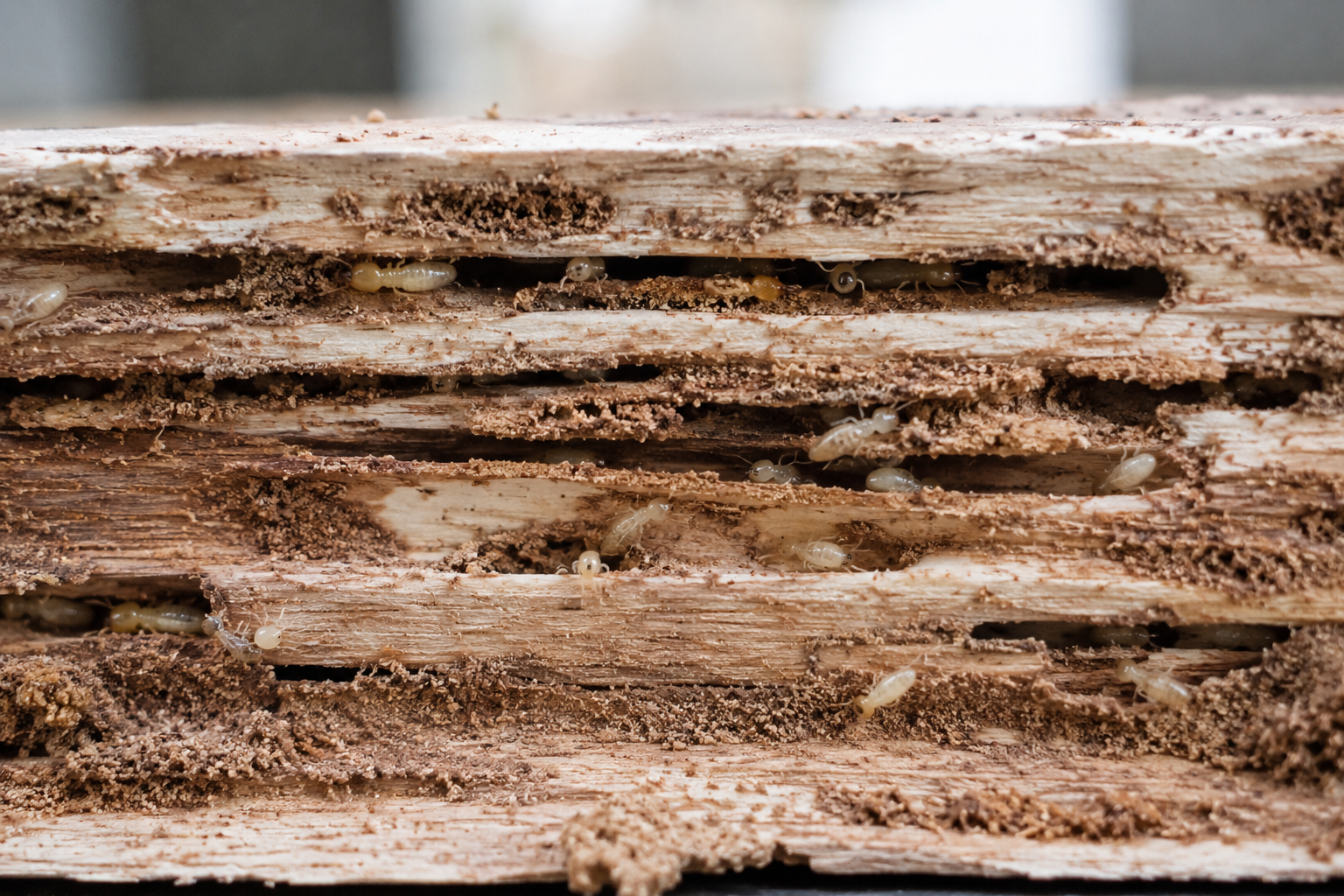
San Diego homeowners must contend with two distinct threats during the summer months. Drywood termites live entirely inside the wood they consume. They do not require contact with the soil and are often found in attic rafters, window frames, and eaves. During summer, they are notorious for "pushing" frass—small, sand-like fecal pellets—out of kick-out holes. Seeing small piles of what looks like sawdust or salt and pepper is a definitive sign of an active drywood colony.
Subterranean termites, on the other hand, live in the soil and build mud tubes to reach the wood in your home. While they prefer moist conditions, they are surprisingly resilient during a San Diego summer. They use their mud tubes to maintain a controlled, humid environment, allowing them to travel from the cool earth into your home's foundation without drying out in the heat.
Why San Diego’s Climate is a Peak Season
San Diego’s unique geography creates various microclimates that suit termites perfectly. Coastal areas like La Jolla or Del Mar provide the consistent humidity that drywood termites crave. Meanwhile, inland valleys like Escondido or Poway experience intense heat that drives subterranean termites to seek the relative coolness and moisture found underneath concrete slabs or near irrigated landscaping.
Because our "winters" are rarely cold enough to kill off termite populations, these colonies are often years old by the time a homeowner notices them. The summer surge is simply the visible peak of a year-round problem, fueled by the region's lack of a hard freeze and the abundance of older wood-framed homes.
The Importance of Professional Intervention
Detecting termites in the summer requires an eye for subtle details. Beyond the obvious swarms, homeowners should look for bubbling paint, wood that sounds hollow when tapped, or discarded wings on windowsills. However, because termites often work from the inside out, significant structural damage can occur before any surface-level signs appear.
A professional inspection is the only way to determine the extent of an infestation. Modern treatments vary depending on the termite species and the location of the colony. While localized "spot" treatments or soil barriers may work for some, larger drywood infestations may require more comprehensive measures to ensure the entire colony is eradicated.
Proactive maintenance and seasonal inspections are the most effective ways to ensure your home doesn't become a target during the peak of the San Diego heat. If you have noticed signs of activity or have not had your property evaluated recently, reach out to Bite Away Termite & Pest Control for a comprehensive inspection and professional consultation.
Need help from a local pro?
Bite Away has served San Diego and Temecula since 2005. Free residential termite inspections and a pest-free guarantee.